There is untapped potential in sports communication and drama to introduce social ideas. On the left, and particularly among academics, there is a tendency to avoid these spaces, often neglecting their quality and audience—sometimes even engaging in quite classist dismissals. This is a pity, as these spaces are clearly dominated by neoliberal, patriarchal, and consumerist narratives, yet they remain widely accessed and culturally influential.
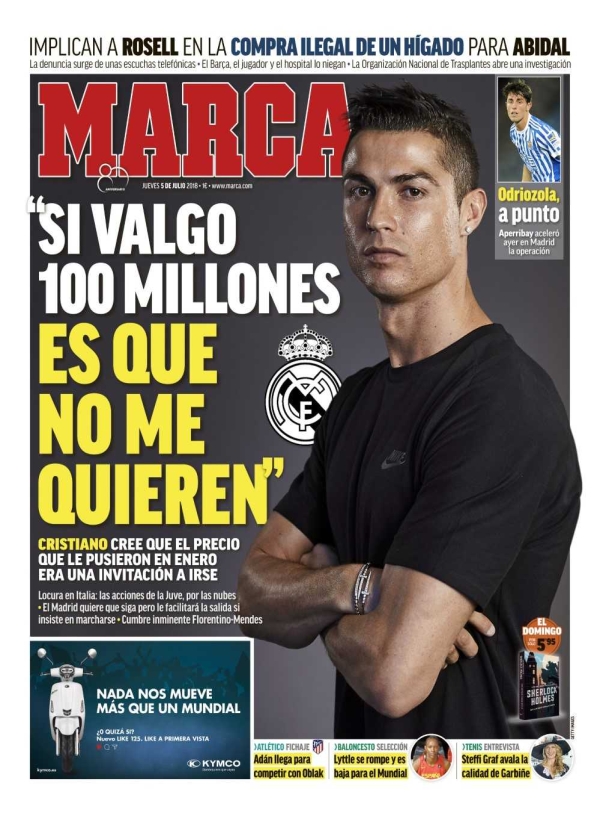
In Spain, key sports media outlets such as Diario AS and Marca are owned by large corporations—PRISA Group and Unidad Editorial, respectively. This is a sector that continues to grow and has shown resilience in times of crisis.
Sports media has often been criticized for its lack of neutrality, weak data use, aggressiveness, football-centric focus, and close ties with major clubs. Many of these criticisms are valid, but we should not overlook its power to shape language and capture the attention, time, and emotions of millions. In fact, most of these criticisms could also be applied to mainstream media, which nonetheless tends to enjoy a better reputation.
There is also a noticeable trend toward highly individual content creation through streamers. The format has shifted—from long match broadcasts and post-match discussions to shorter, bite-sized content. Male creators are overwhelmingly overrepresented, and the most popular figures tend to be extremely egocentric, individualistic, and consumerist in style.
The geopolitics of football are highly relevant. Countries like Saudi Arabia, or regimes like Israel, are actively leveraging sports to clean up their international image and distract from ongoing human rights violations. At the corporate level, large investors also use the visibility of sport to project power and advance their own interests.
This dynamic can provoke a natural rejection of the entire media ecosystem surrounding sports. However, it remains a key arena for confrontation and counter-hegemonic struggle—one we cannot afford to leave to liberals. We should remember the courageous women and men who have challenged the status quo by using sport as a platform to voice their demands.
A recent example is the “solo sí es sí” stance taken by Spain’s national women’s football team, following the unapproved kiss by the federation president. That moment sparked an essential public debate on consent.
Recommended to watch : https://www.youtube.com/watch?v=qjpsfzYk114
On Social chronicles
What is called prensa rosa in Spanish should rather be called social chronicles, because it is actually a media system that represents and protects certain values while engaging with day-to-day events. It manages to entertain and keep company to millions of people who are alone, offering a continuous flow of content and ideas.
These seemingly trivial spaces have helped to shed light on gender-based violence through direct testimonies, and they can be used to expose existing systems of oppression as well as to highlight inspiring cases of resistance.

Comments
Post a Comment